FACT CHECKED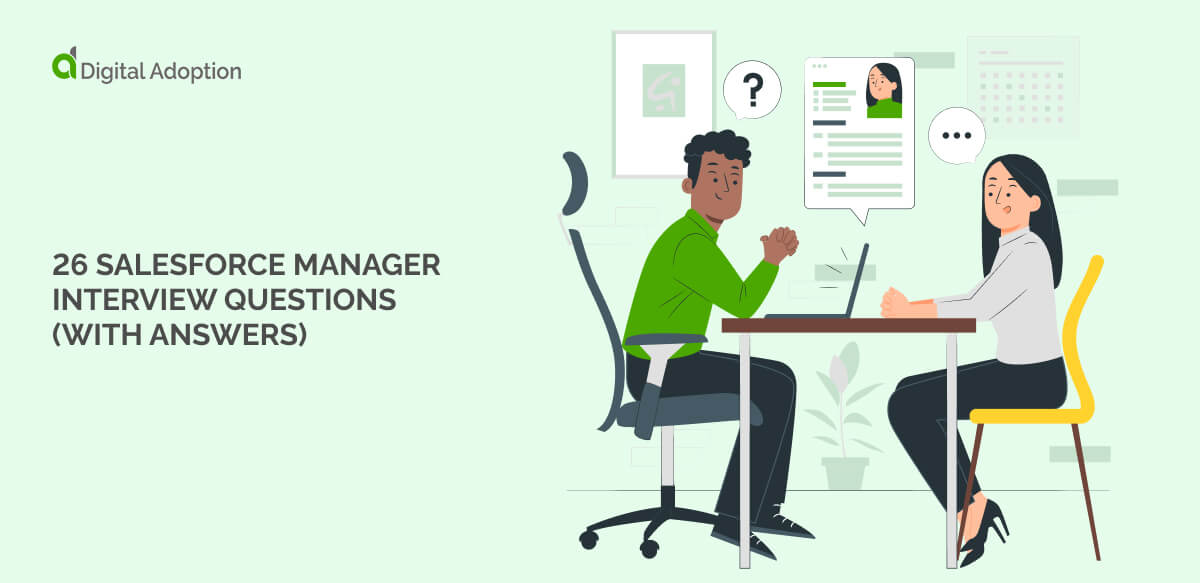
Salesforce has been ranked the world’s No. 1 CRM platform for the 12th consecutive year by IDC. Its market leadership and innovative solutions built around a “trinity of apps, agents, and data” make Salesforce essential for modern businesses.
Salesforce Managers play a key role in this ecosystem, providing leadership that keeps teams and processes running. From Salesforce implementation to optimizing Salesforce tools, their expertise ensures operations function.

To guide future Salesforce Managers, we’ve compiled a list of 26 interview questions and answers to showcase the qualities employers value most in these roles.
What is a Salesforce Manager?
A Salesforce Manager directs administration, leads teams, and guides development across the platform. They act as the central force ensuring strategy, people, and technology align to deliver maximum impact.
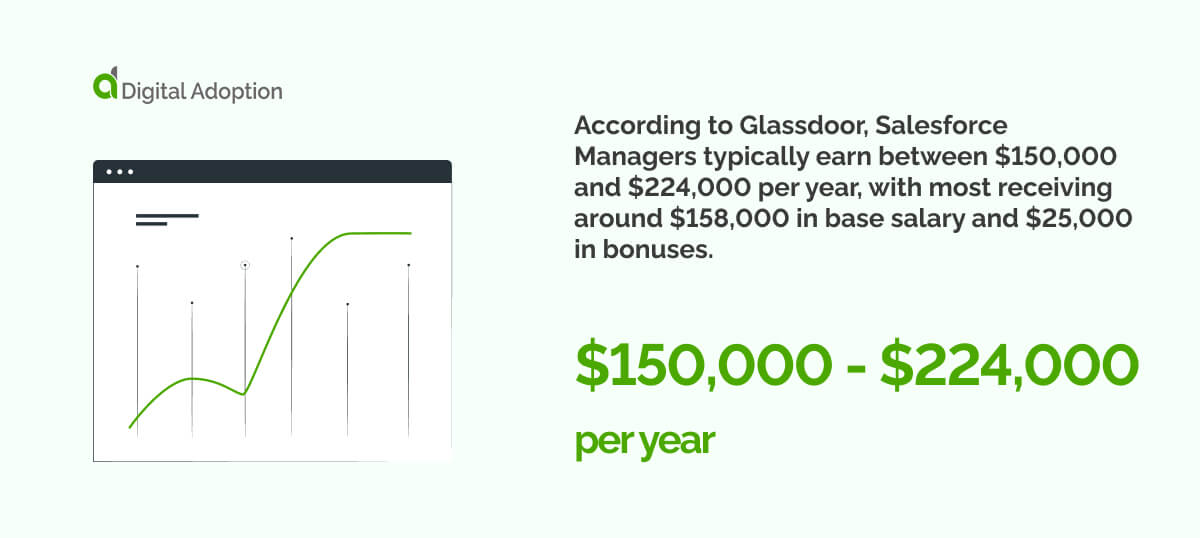
According to Glassdoor, Salesforce Managers typically earn between $150,000 and $224,000 per year, with most receiving around $158,000 in base salary and $25,000 in bonuses.
This article is broken down into the following categories, with responsibilities varying by role:
- Project Managers: Lead teams, coordinate tasks, and keep projects on track.
- Engineering Managers: Manage technical functions and ensure smooth system functioning.
- Senior Managers: Oversee strategy, processes, and team performance across Salesforce.
- Product Managers: Coordinate initiatives and align product strategy with business goals.
- Customer Success Managers: Drive user adoption and support client success initiatives.
Salesforce Project Manager interview questions
The first set of questions focuses on Salesforce Project Managers. They balance structure with flexibility, guide teams, turn strategy into action, and keep delivery on track despite shifting priorities.
1, What is the role of a Salesforce Project Manager in ensuring successful project delivery and alignment between business goals and technical execution?
Answer: A Salesforce Project Manager coordinates people, timelines, and deliverables, translating business needs into technical actions that move projects forward. They track progress closely, adjusting where needed to stay on course.
Tip: Reference a real project where you used sprint retrospectives or milestone reviews to realign priorities and keep both teams and stakeholders in sync.
2. How many Salesforce projects have you managed, and what key factors do you believe contribute most to a project’s success?
Answer: Here, explain how many Salesforce projects you’ve managed, outlining your approach from planning through delivery. Success comes from structured phases, open communication, and steady adaptability as challenges arise.
Tip: Reference measurable outcomes, such as “led eight end-to-end projects with a 95% delivery rate,” to demonstrate accountability and consistent results.
3. Describe how a Salesforce project team is typically structured. What are the main roles, and how do they work together throughout the delivery process?
Answer: In a Salesforce project team, Project Managers guide tasks, Engineering Managers manage technical operations, Customer Success Managers foster adoption, and Senior Managers shape strategy—working together through planning and check-ins to ensure seamless delivery.
Tip: Show how transparent communication, clear responsibilities, and regular alignment keep the team coordinated and progress steady.
4. When presenting a Salesforce project plan to leadership, what key details would you highlight to gain approval and alignment on scope, budget, and timelines?
Answer: Highlight the project’s scope, estimated costs, timelines, and potential risks, showing how resources and priorities align across teams.
Tip: Paint a clear picture using a simple visual or table. Show how each decision impacts delivery and compromises, guiding leadership to understand the plan’s flow and build confidence in your approach.
5. If a new requirement is introduced late in the Salesforce project, how would you assess and manage it while keeping the project on track?
Answer: Detail how you handle late Salesforce requirements. Evaluate how it affects team workload, platform changes, and user impact, consult stakeholders, and adjust tasks to keep delivery steady.
Tip: Reference a real scenario where you phased the change or shifted priorities, showing how you maintained momentum, balanced technical constraints, and ensured the team stayed aligned.
6. What common data risks arise in Salesforce projects, and how would you proactively mitigate them to protect integrity, security, and compliance?
Answer: Bring up handling Salesforce data risks like duplicates, misconfigured fields, or wrong access. Enforce validation rules, set permissions, and run audits to keep data accurate and secure.
Tip: Discuss a risk scenario, the safeguards applied, and how monitoring ensured data accuracy and maintained stakeholder confidence.
Salesforce Engineering Manager interview questions
These next questions target Salesforce Engineering Manager roles, focusing on technical leadership, platform architecture, and translating complex requirements into scalable solutions.
7. How do you lead Salesforce engineering teams to ensure delivery quality, accountability, and alignment with organizational objectives?
Answer: Explain how you lead Salesforce engineering teams. You review proposed solutions, make technical decisions, coordinate peer reviews, and adjust workloads to keep projects progressing steadily.
Tip: Describe a project where you resolved a complex technical challenge, reallocated tasks, and clarified priorities. This will show how your hands-on decisions kept development on track and maintained quality across multiple streams.
8. How do you involve business and technical stakeholders in key decisions to maintain alignment and shared ownership of the Salesforce roadmap?
Answer: Outline how you involve business and technical stakeholders in decisions. You gather input, clarify trade-offs, and hold focused discussions, keeping priorities transparent and ownership shared across teams.
Tip: Share an example where collaborative workshops or structured review sessions helped stakeholders agree on roadmap changes. This helps in demonstrating your ability to balance perspectives while moving projects forward effectively.
9. Describe a challenging engineering situation you’ve managed and how you guided your team toward resolution and successful delivery.
Answer: If applicable, explain how you assessed unexpected technical blockers, re-prioritized tasks, and clarified responsibilities. Describe how you coordinated problem-solving sessions to keep the team focused and meet quality and delivery targets.
Tip: Highlight a real scenario where adjustments to architecture, workload distribution, or platform integrations resolved the issue, demonstrating hands-on leadership. Show the measurable impact achieved without overgeneralizing.
10. How do you support underperforming engineers and motivate high performers to strengthen team capability and engagement?
Answer: You coach underperformers with clear guidance and hands-on support. For high performers, you assign challenging tasks and acknowledge achievements. This keeps the team engaged and balanced.
Tip: Provide an example where mentoring improved results and encouraged top performers to take on extra responsibilities. Show how this strengthened skills and motivation across the team
11. What steps do you take to build an inclusive, collaborative, and high-trust culture within your engineering team?
Answer: You encourage open dialogue, listen to all perspectives, and create clear roles. Celebrate contributions, share credit, and address conflicts promptly to build trust and collaboration.
Tip: Share a real example where team workshops, transparent communication, or shared problem-solving strengthened trust and inclusion. This helps show your commitment to shaping team culture.
Salesforce Senior Manager interview questions
These questions dig into Salesforce Senior Manager roles, zeroing in on steering strategy, orchestrating cross-team initiatives, and navigating multiple domains.
12. How does your professional background and leadership experience align with the strategic scope and expectations of this Salesforce Senior Manager role?
Answer: Here, talk about how professional background and leadership experience position a candidate to guide Salesforce initiatives, coordinate multiple domains, and drive adoption across teams effectively.
Tip: Explain how leadership has strengthened cross-team collaboration and highlight key achievements in strategic oversight. Show how prior experience prepares the candidate to manage Salesforce responsibilities effectively.
13. Describe how you build trust and alignment with key stakeholders or clients, especially when managing complex or high-stakes Salesforce delivery programs.
Answer: Establish credibility through transparency, clear communication, and demonstrated expertise. Anticipate concerns, offer relevant context, and follow through consistently to build confidence and shared understanding.
Tip: Explain how maintaining openness, proactively addressing challenges, and providing practical updates helps stakeholders feel informed, respected, and confident in program direction.
14. Share an example where you had to adjust your leadership or communication style to influence or align with an internal stakeholder.
Answer: Highlight how adjusting the approach to match the stakeholder’s perspective helped secure their buy-in. Show how breaking down technical nuances and focusing on actionable outcomes kept momentum in complex Salesforce delivery initiatives.
Tip: Explain the deliberate changes made in messaging and interaction style to build rapport and influence stakeholder decisions effectively.
15. Tell me about a time you made a strategic decision that involved risk. What was your reasoning process, and what was the outcome?
Answer: Talk about how evaluating data, potential outcomes, and trade-offs guided the decision. Proceed to explain the mitigating steps and the measurable results achieved.
Tip: Discuss structured thinking, weigh pros and cons, and demonstrate how calculated risk led to a positive and tangible outcome.
16. What has been your most impactful Salesforce project or initiative, and what measurable outcomes or organizational value did it deliver?
Answer: Highlight how the project improved cross-team collaboration. Then, explain the phased approach taken and discuss tangible gains in user adoption, process clarity, and operational effectiveness.
Tip: Focus on concrete results, outline the approach step by step, and describe value in clear, relatable terms using measurable evidence.
Salesforce Product Manager interview questions
These next questions target Salesforce Product Manager roles. They focus on shaping product vision, guiding feature development, and managing stakeholders.
17. Describe a time you had to pivot a product strategy due to changing priorities. How did you make the decision and manage the transition?
Answer: Mention any shift in priorities you’ve noticed. Outline how you weighed options, consulted stakeholders, and guided the team to adjust the product plan clearly.
Tip: If transparency and communication are key to managing the shift, bring it up. Explain your reasoning step by step, keeping the story grounded and practical.
18. Walk me through your experience managing enterprise SaaS products, including CRM or cloud-based platforms, and how your work drove measurable business outcomes.
Answer: Mention methods used to guide SaaS products, coordinate teams, and monitor progress. Detail how adjustments improved adoption, usability, and practical results in daily operations.
Tip: Talk about concrete steps taken. Explain what changed, what worked, and what people noticed. Keep language simple and vivid.
19. How do you prioritize features and roadmap initiatives while balancing business impact, technical feasibility, and user value?
Answer: Speak about how you weigh feature requests, technical constraints, and user needs. Talk about assessing effort, potential adoption, and sequencing work to deliver meaningful progress consistently.
Tip: Now explain prioritization frameworks like scoring or value vs effort. Show practical examples and reasoning without relying on jargon.
20. How do you coordinate dependencies and align multiple teams in complex enterprise projects to ensure timely delivery and product integrity?
Answer: Map responsibilities, set clear handoffs, track progress visually, and hold brief check-ins. Constant communication lets teams configure project parameters without confusion and stay aware of interdependencies.
Tip: Illustrate coordination methods, highlight communication practices, and show practical steps to keep teams connected and projects on track.
21. Provide an example of a product you led from concept to launch. How did you define success, measure impact, and validate your GTM strategy?
Answer: Show your knowledge for testing, refinement, and following clear validation steps. Show the path from idea to launch with tangible checks and observations.
Tip: Focus on concrete steps, show how validation shaped decisions, and explain metrics that indicated the product resonated with users.
Salesforce Customer Success Manager interview questions
These questions target Salesforce Customer Success Manager roles, focusing on helping clients succeed with Salesforce, solving challenges, and supporting teams in meaningful ways.
22. Which Salesforce tools would you suggest to help clients use the system and get lasting value?
Answer: Recommend Salesforce solutions that match client workflows. Simplify tasks, encourage regular use, and focus on practical results that improve team satisfaction over time.
Tip: Show how solutions solve real problems. Highlight easy, repeatable benefits that make teams more likely to adopt and stick with them.
23. How do you help enterprise clients succeed with Salesforce?
Answer: Explain your ability to map Salesforce features to team routines. Spot pain-points, reconfigure processes, and track real usage. Ensure to focus on practical improvements in your everyday work.
Tip: You should emphasize changes clients can actually see. Show shifts in routines and habits rather than abstract metrics or vague results.
24. How do you manage executive requests while keeping clients happy?
Answer: Explain pausing to map priorities. Talk about negotiating timelines, setting expectations, and adjusting plans carefully to protect clients and maintain satisfaction.
Tip: Show how careful adjustments and clear communication handle executive demands while keeping clients confident and trusting throughout the project.
25. How do you respond to evolving client needs or shifting strategies while maintaining trust and consistent results?
Answer: Explain how you track client priorities, adjust plans carefully, communicate changes clearly, and maintain open dialogue to keep relationships grounded while delivering dependable results.
Tip: Try to illustrate a real scenario, show thought process, and emphasize transparency and proactive communication with clients.
26. Which KPIs and metrics do you track to demonstrate adoption, impact, and ROI from Salesforce solutions?
Answer: Talk about monitoring feature adoption, engagement patterns, and client satisfaction scores. Show trends over time to highlight practical value delivered by the platform.
Tip: Encourage candidates to give specific examples, explain why metrics matter, and show how they interpret them to guide client decisions.
Key takeaways for Salesforce interview success
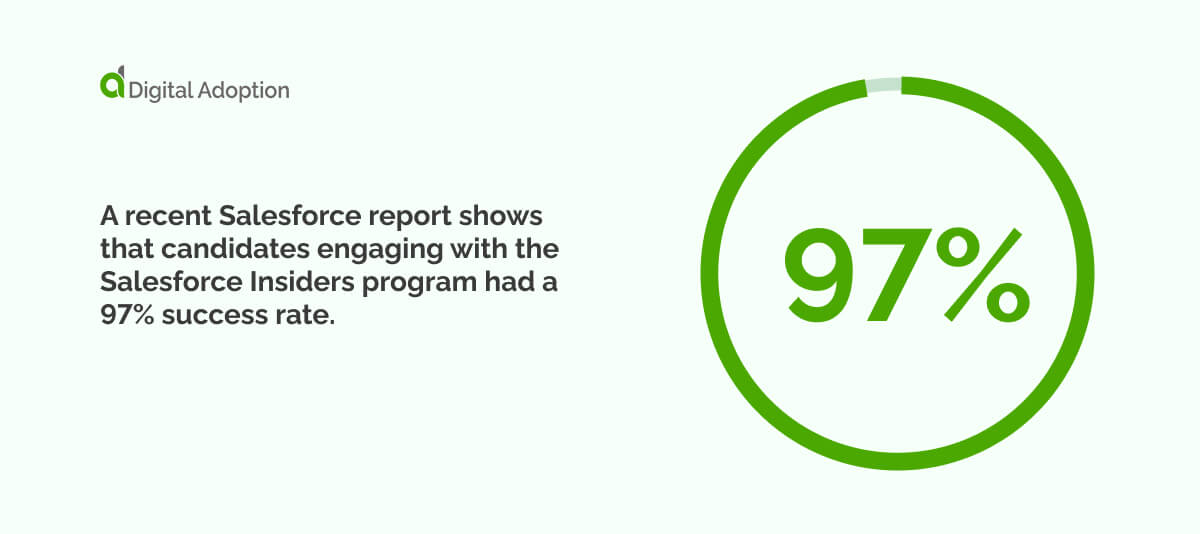
A recent Salesforce report shows that candidates engaging with the Salesforce Insiders program had a 97% success rate.
To stand out, share concrete examples of how you solved real challenges using Salesforce forecasting tools. Demonstrate experience with Salesforce project management apps and Salesforce integrations to emphasize your understanding while explaining decisions clearly.
Interviews reward candidates who translate knowledge into on-the-job results. For those preparing to apply for administration positions at Salesforce, check out our other article, “Salesforce Admin Interview Questions.”
Keeping explanations straightforward, concrete, and relatable also leaves a lasting impression. The best interviews highlight understanding, context, and careful reasoning rather than relying solely on flashy accomplishments.
People Also Ask
-
How long are Salesforce interviews, and what is the typical format?Salesforce interviews usually take 1–2 hours. You may get questions about work situations, exercises for the role, and problem-solving tasks. Some roles have multiple rounds with different team members.
-
How can I show adaptability and problem-solving?Give clear examples when things changed or problems came up. Explain what you did, why, and what happened. Show that you can stay calm and think carefully.
-
What Salesforce knowledge is expected?Interviewers want to know what Salesforce tools you’ve used, like CPQ, automation testing, or integrations. Explain how you used them in real projects. Show that you understand the tools and can use them to get work done.